Posted on August 28th, 2009 at 4:13 pm by Steve
The Gateway Website
Posted on August 25th, 2009 at 6:47 pm by dr.hoo
Posted on August 25th, 2009 at 6:47 pm by dr.hoo
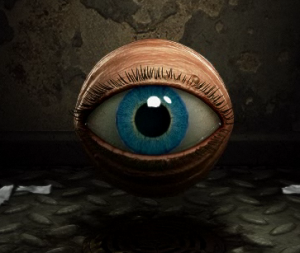
I know you’re all curious about the effects of drugs. Here’s a totally realistic simulation…
NOTE: Do NOT consume any drugs before viewing this website.
SF = CandyLand ?!
Posted on August 24th, 2009 at 11:17 pm by Steve
Posted on August 24th, 2009 at 11:17 pm by Steve

Apparently, Lombard Street was turned into CandyLand for a day.
LOLfrankz!
Posted on August 24th, 2009 at 10:58 pm by Steve
Posted on August 24th, 2009 at 10:58 pm by Steve
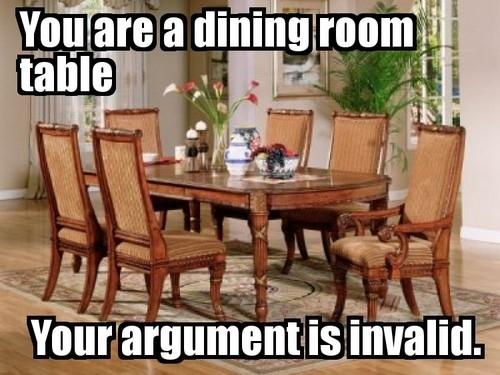
What’s this?
A woman at Congressman Barney Frank’s Town Hall forum on health care reform referred to President Obama’s “Nazi plan” and asked Frank why he supported this “Nazi plan.” In his response, he snapped, “Trying to have a conversation with you would be like trying to argue with a dining room table.”
See it below on Larry King Live:
This One’s for Josh
Posted on August 24th, 2009 at 10:51 pm by Steve
Posted on August 24th, 2009 at 10:51 pm by Steve
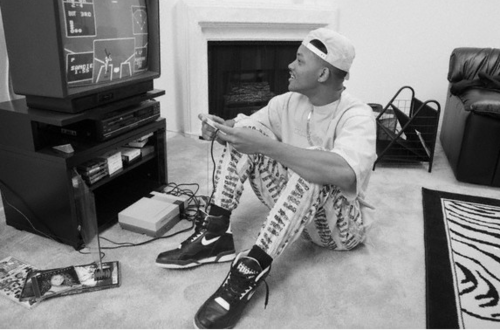
Yes, that’s Will Smith playing NES, circa ten million years ago.
“Excuse me stewardess; I speak JiveHebrew”
Posted on August 24th, 2009 at 10:38 pm by Steve
Posted on August 24th, 2009 at 10:38 pm by Steve
I’m looking for smart-alecky remarks on this video, which is apparently a group of rabbis on a charter flight above Israel, blowing and chanting in an attempt to ward off the Swine Flu, which they refer to as the H1N1 flu because pigs are unclean. Maybe something like, “In the unlikely event of a pandemic, shofars will drop from the panel above your head. Place the shofar in your mouth and continue to pray normally.”
I’m sure you can do better.
(BTW – I love the guy in 3C who’s sitting there reading quietly.)
Nice Work If You Can Get It
Posted on August 23rd, 2009 at 1:42 pm by Steve

Posted on August 23rd, 2009 at 1:42 pm by Steve
Rate that banks pay the Federal Reserve to borrow money for up to 90 days, “No Questions Asked”: 0.5%.
Rate that banks pay depositors for regular savings accounts: 0.05%.
Rate that banks charge borrowers for borrowing money with many “questions asked”: 5.25%.
Nice work, if you can get it.
P. K. Winsome
Posted on August 22nd, 2009 at 1:25 am by Steve
Posted on August 22nd, 2009 at 1:25 am by Steve
Who but Tim Meadows could conclude a routine by saying of Adolf Hitler, “See? It turns out he wasn’t such a bad guy after all!”? (Comes around the 7:10 mark in the video below.)
SF Crimespotting Is Now Live
Posted on August 20th, 2009 at 11:36 am by Steve
Posted on August 20th, 2009 at 11:36 am by Steve
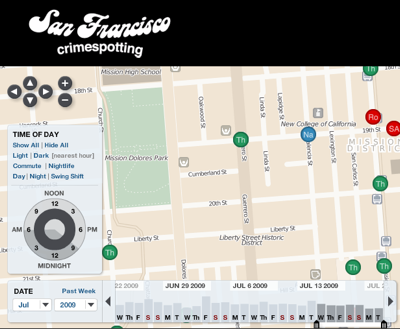
I’m a huge fan of Stamen Design out of San Francisco. One of the things they excel at is data-driven map presentations. And SF Crimespotting (pictured above) is a terrific example thereof!
I do a lot of map-based presentation, and I’ve leaned heavily on their work in the past (particularly their open-source project ModestMaps).
For those of you in the East Bay, you might also check out their original work in this genre, Oakland Crimespotting.
Stay safe!